
Rottweiler Health Issues: 9 Common Conditions & Early Warning Signs

Rottweilers are known for their strength, loyalty, and calm nature. As one of the most popular large dog breeds in the United States, they make excellent family companions and working dogs. But just like any breed, Rottweilers have specific health concerns that owners should be aware of. Early recognition of symptoms is key to giving them the best possible care and quality of life.
This page covers the most common health issues seen in Rottweilers, along with the signs you should watch for. Understanding these conditions can help you make better decisions about your dog’s care and know when it’s time to seek veterinary attention.
1. Hip dysplasia
What it is
Hip dysplasia is one of the most frequent orthopedic problems in Rottweilers. It occurs when the hip joint does not fit correctly into the socket, which leads to joint instability, pain, and eventually arthritis.
Signs to watch for
-
Stiffness or limping after rest or exercise
-
Trouble getting up or lying down
-
Decreased activity levels
-
“Bunny hopping” gait during running
-
Discomfort when the hips are touched
Early diagnosis through X-rays and physical exams is important. In moderate to severe cases, physical therapy, anti-inflammatory medications, weight management, or even surgery may be needed.
Some dogs with reduced mobility can benefit from rear-support wheelchairs to maintain an active lifestyle.
2. Elbow dysplasia
What it is
Elbow dysplasia is a developmental issue involving abnormal growth of the elbow joint, which can lead to pain and lameness. It is especially common in large breeds like the Rottweiler.
Signs to watch for
-
Front leg lameness that comes and goes
-
Reluctance to walk or play
-
Uneven weight distribution when standing
-
Swelling in the elbow joint
Veterinary imaging can help confirm the condition. Early treatment is key to managing discomfort and slowing progression.
3. Osteosarcoma (bone cancer)
What it is
Osteosarcoma is an aggressive bone cancer often seen in large and giant breeds. Rottweilers have a higher risk compared to many other breeds.
Signs to watch for
-
Sudden onset of lameness
-
Swelling in the limbs
-
Visible pain when walking or standing
-
Loss of appetite or energy
This condition progresses quickly. If diagnosed, treatment may include amputation, chemotherapy, or palliative care. When limb use becomes limited, a professionally fitted wheelchair can offer a way to preserve mobility and reduce strain on the unaffected limbs.
4. Cruciate ligament tears
What it is
The cranial cruciate ligament (CCL) in a dog’s knee can tear due to trauma or degeneration. This is similar to ACL injuries in people and is one of the most common orthopedic injuries in dogs.
Signs to watch for
-
Sudden limping on a rear leg
-
Avoiding weight on one leg
-
Swelling around the knee
-
Trouble rising or climbing stairs
Surgical repair is often recommended, especially for large breeds. During recovery, a cart or wheelchair may help reduce stress on the joint.
5. Aortic stenosis
What it is
Subaortic stenosis (SAS) is a congenital heart defect that Rottweilers are genetically predisposed to. It causes narrowing of the aorta, which forces the heart to work harder to pump blood.
Signs to watch for
-
Fainting or collapsing, especially after exercise
-
Shortness of breath
-
Rapid heartbeat
-
Poor growth in young dogs
Veterinary cardiology evaluations, including echocardiograms, are used to diagnose SAS. Mild cases may be managed with medication, while severe cases require careful monitoring and reduced physical exertion.
6. Obesity
What it is
Rottweilers are prone to weight gain, especially if they’re not getting regular exercise. Obesity contributes to many other health issues, including arthritis, diabetes, and heart disease.
Signs to watch for
-
Difficulty moving or rising
-
Heavy breathing even at rest
-
Fat accumulation around the ribs, hips, and neck
-
Lack of energy
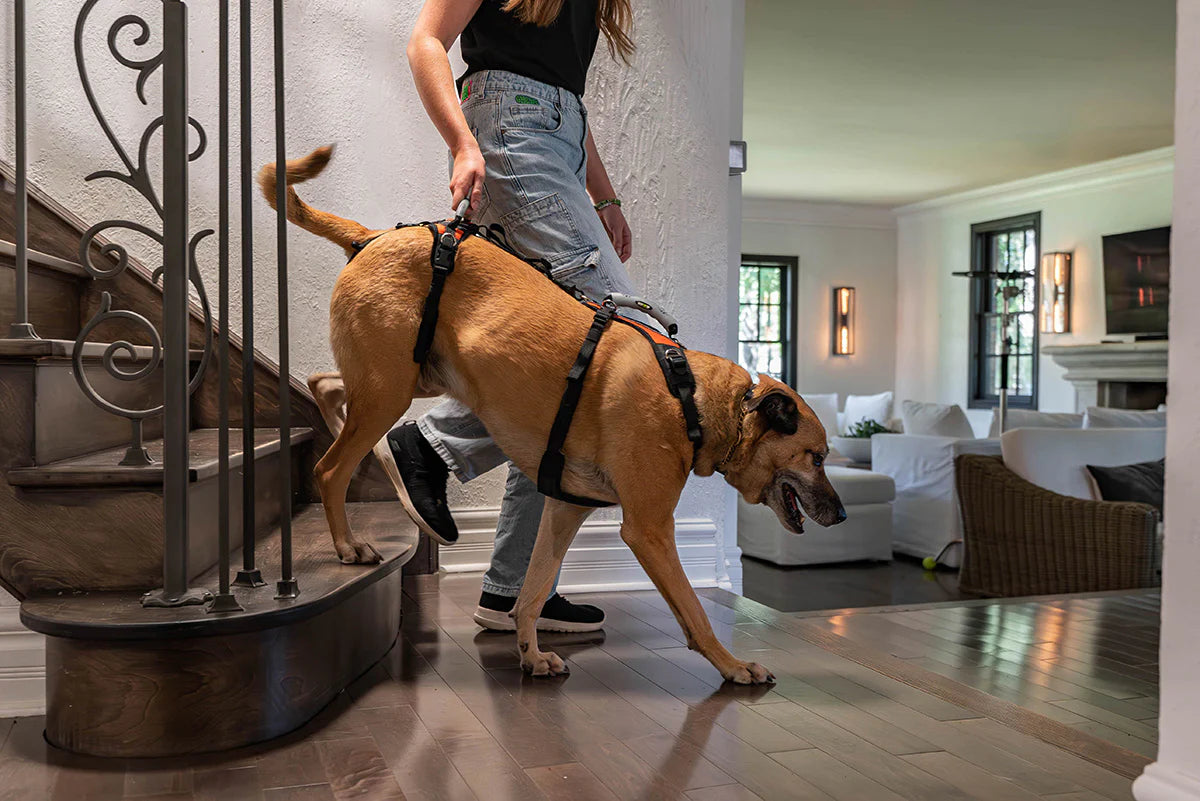
Maintaining a proper weight through diet and exercise is critical. In dogs that already have joint issues, light physical activity and mobility aids like wheelchairs can help reduce joint stress while allowing movement.
7. Degenerative myelopathy
What it is
Degenerative myelopathy (DM) is a progressive spinal cord disease that affects older Rottweilers. It is similar to ALS in humans and causes weakness and loss of coordination in the back legs.
Signs to watch for
-
Dragging of hind feet
-
Knuckling or stumbling during walks
-
Loss of balance
-
Difficulty standing or climbing stairs
DM is not painful but leads to paralysis over time. There is no cure, but supportive care and mobility solutions such as rear-support carts can greatly improve quality of life by keeping your dog moving longer and with greater comfort.
8. Hypothyroidism
What it is
Hypothyroidism occurs when the thyroid gland does not produce enough hormones. It slows down metabolism and can cause a wide range of symptoms.
Signs to watch for
-
Weight gain without increased food intake
-
Lethargy or lack of energy
-
Hair thinning or dry coat
-
Skin infections
-
Cold intolerance
Blood tests can confirm the diagnosis. Treatment is straightforward with daily medication and routine monitoring by your vet.
9. Wobbler syndrome (cervical spondylomyelopathy)
What it is
Wobbler syndrome is a condition involving compression of the spinal cord in the neck, which can affect coordination and cause pain. It’s more common in large breeds and can be inherited.
Signs to watch for
-
Wobbly gait in the rear legs
-
Weakness in all four limbs
-
Neck stiffness or pain
-
Falling or tripping frequently
Treatment options range from physical therapy and medications to surgery. Dogs with moderate or advanced cases can benefit from wheelchairs that support both front and rear limbs for safer movement.
Supporting mobility through quality equipment
Many of the health conditions listed above impact your dog’s ability to move comfortably. At K9 Carts, we have over 55 years of experience in designing veterinarian-approved mobility aids specifically for dogs with orthopedic and neurological conditions.
Each K9 Cart is custom-built to your dog’s exact size, needs, and medical condition. This level of personalization ensures a better fit, more comfort, and safer use for dogs like Rottweilers who may need extra support due to their size and structure.
Whether your dog is recovering from surgery, managing a chronic condition, or facing age-related decline, a custom wheelchair can help maintain daily activity, prevent muscle atrophy, and give your pet greater independence.
Frequently asked questions
What are the most common health problems in Rottweilers?
The most common health problems in Rottweilers include hip and elbow dysplasia, osteosarcoma (bone cancer), degenerative myelopathy, cruciate ligament tears, hypothyroidism, and heart conditions like aortic stenosis. Joint-related issues are particularly common due to their large, muscular build.
Rottweilers are also prone to obesity, which can worsen orthopedic problems. Recognizing early symptoms such as limping, weakness in the limbs, or reluctance to move can help catch these conditions sooner and improve long-term outcomes through timely intervention.
How can I tell if my Rottweiler has hip dysplasia?
Signs of hip dysplasia in Rottweilers include stiffness, difficulty getting up, limping after activity, decreased energy levels, and a “bunny hop” gait when running. You might also notice muscle loss in the hindquarters or signs of discomfort when the hips are touched.
A veterinary exam and X-rays are required for a definitive diagnosis. If your Rottweiler is showing any of these symptoms, it’s important to consult your veterinarian to discuss treatment options.
What causes osteosarcoma in Rottweilers?
Osteosarcoma in Rottweilers is a type of aggressive bone cancer that tends to affect large and giant breeds. The exact cause isn’t fully known, but genetics, rapid growth, and body weight are believed to play a role. Rottweilers are genetically predisposed, and the condition often affects the limbs.
It usually presents with sudden lameness, localized swelling, and significant pain. Early detection and intervention are crucial. Treatment may involve surgery, chemotherapy, and supportive care.
How can I manage my Rottweiler’s mobility if they develop a joint or spinal condition?
If your Rottweiler develops a condition like hip dysplasia, degenerative myelopathy, or a torn cruciate ligament, mobility can be supported through several methods. Start with weight management and physical therapy to reduce joint stress.
Medications may also help relieve inflammation and pain. For dogs with moderate to severe mobility loss, custom-built dog wheelchairs can help your dog stay active, reduce strain on the limbs, and improve quality of life by restoring some independence.
Are Rottweilers prone to heart problems?
Yes, Rottweilers are prone to a heart condition called subaortic stenosis (SAS), which is a narrowing of the aorta that makes it harder for the heart to pump blood. It is often genetic and may not show symptoms until the condition progresses.
Warning signs include fainting during exercise, shortness of breath, fatigue, and irregular heartbeat. SAS should be diagnosed by a veterinary cardiologist through an echocardiogram. Management includes medications and limiting strenuous activity to prevent complications such as heart failure or sudden collapse.
What is degenerative myelopathy and how does it affect Rottweilers?
Degenerative myelopathy (DM) is a progressive disease of the spinal cord that affects older dogs, including Rottweilers. It causes gradual loss of coordination and strength in the hind limbs.
Early signs include dragging of the back paws, stumbling, or wobbling. As the condition worsens, paralysis can develop. DM is not painful, but it does significantly affect mobility. There is no cure, but supportive care such as physical therapy and rear-support wheelchairs can help keep your dog active and comfortable for longer.
At what age do Rottweilers typically start showing signs of joint issues?
Rottweilers can begin showing signs of joint problems such as hip or elbow dysplasia as early as six months old in severe cases, especially if genetically predisposed. However, most symptoms begin to appear between two and five years of age.
Age-related joint problems like arthritis or degenerative myelopathy typically develop in senior dogs around the age of seven or older. Regular veterinary checkups and monitoring for subtle signs like reluctance to play, limping, or stiffness can help catch these issues early.
What role does weight management play in Rottweiler health?
Weight management is critical for Rottweilers because excess weight puts added stress on the joints, increases the risk of arthritis, and worsens existing orthopedic or neurological conditions.
Obesity also raises the likelihood of heart disease, diabetes, and decreased lifespan. Feeding a balanced diet, avoiding high-calorie treats, and ensuring daily low-impact exercise can help prevent unnecessary weight gain.
How can I prevent common health problems in Rottweilers?
Preventing health problems in Rottweilers starts with responsible breeding, regular vet visits, and proactive daily care. Choose breeders who screen for hereditary issues such as hip dysplasia or heart conditions. Feed a high-quality diet, maintain a healthy weight, and provide regular exercise. Early socialization and mental stimulation also support overall wellness.
Regular veterinary screenings can catch problems before they worsen. If your dog starts showing signs of reduced mobility or pain, early use of supportive tools like custom wheelchairs can improve quality of life and prevent further complications.
References

Share this
Featured product
Popular posts


