


How Long Do Caucasian Shepherds Live? Average Lifespan & Care Tips

Caucasian Shepherds, also known as Caucasian Ovcharkas, are one of the most powerful and loyal guardian breeds. Known for their imposing size and unwavering protective instincts, they are a breed that requires experienced handling and thoughtful care. One of the most common questions about this majestic dog is how long they typically live and what owners can do to support a long, healthy life.
This page provides a complete look at the average lifespan of Caucasian Shepherds, factors that influence their longevity, and practical care tips to help them stay strong, mobile, and happy throughout their lives.
What is the average lifespan of a Caucasian Shepherd?
On average, Caucasian Shepherds live between 10 and 12 years. While this is relatively standard for large and giant breed dogs, individual lifespans can vary depending on a number of factors, including genetics, environment, nutrition, and healthcare.
Some dogs may live slightly beyond 12 years, especially when they receive consistent preventive care, are kept at a healthy weight, and live in a low-stress environment. However, due to their size and predisposition to certain health problems, regular monitoring is essential.
What health problems affect the lifespan of Caucasian Shepherds?
Like many large breeds, Caucasian Shepherds can be prone to a number of health conditions that may shorten their lifespan or affect their quality of life. The most common health issues include:
Hip and elbow dysplasia
These are developmental conditions where the joints do not form correctly, leading to pain, stiffness, and eventually arthritis. Over time, this can severely impact mobility and overall comfort. Large breeds like the Caucasian Shepherd are at higher risk due to their weight and bone structure.
Obesity
Excess weight places additional strain on joints and internal organs. Obese dogs are at a higher risk for diabetes, heart disease, and orthopedic problems. Keeping your Caucasian Shepherd lean is essential for preventing these complications.
Heart disease
While not extremely common, some Caucasian Shepherds can develop heart problems, particularly in older age. Regular veterinary checkups can catch early signs before they progress.
Bloat (Gastric Dilatation-Volvulus)
This life-threatening condition can affect deep-chested dogs, causing the stomach to twist and cut off blood supply. It requires emergency surgery and can be fatal if not treated quickly.
Degenerative myelopathy
This is a progressive neurological condition that can lead to weakness in the rear legs and eventual paralysis. While not as common as joint dysplasia, it can be devastating in senior dogs.
How can you help your Caucasian Shepherd live longer?
Helping your dog live a full and healthy life means focusing on daily habits that build long-term wellness. Below are the most important areas to focus on:
1. Balanced diet
A high-quality, breed-appropriate diet is essential. Look for dog food that lists real meat as the first ingredient, avoids artificial fillers, and includes joint-supporting nutrients like glucosamine and chondroitin. Speak with your vet to adjust food portions and formulations as your dog ages.
2. Regular exercise
Caucasian Shepherds need consistent physical activity to stay healthy. Daily walks, moderate hikes, and mental stimulation like obedience training are helpful. However, avoid high-impact activities, especially for puppies or seniors, as these can stress the joints.
3. Joint and mobility support
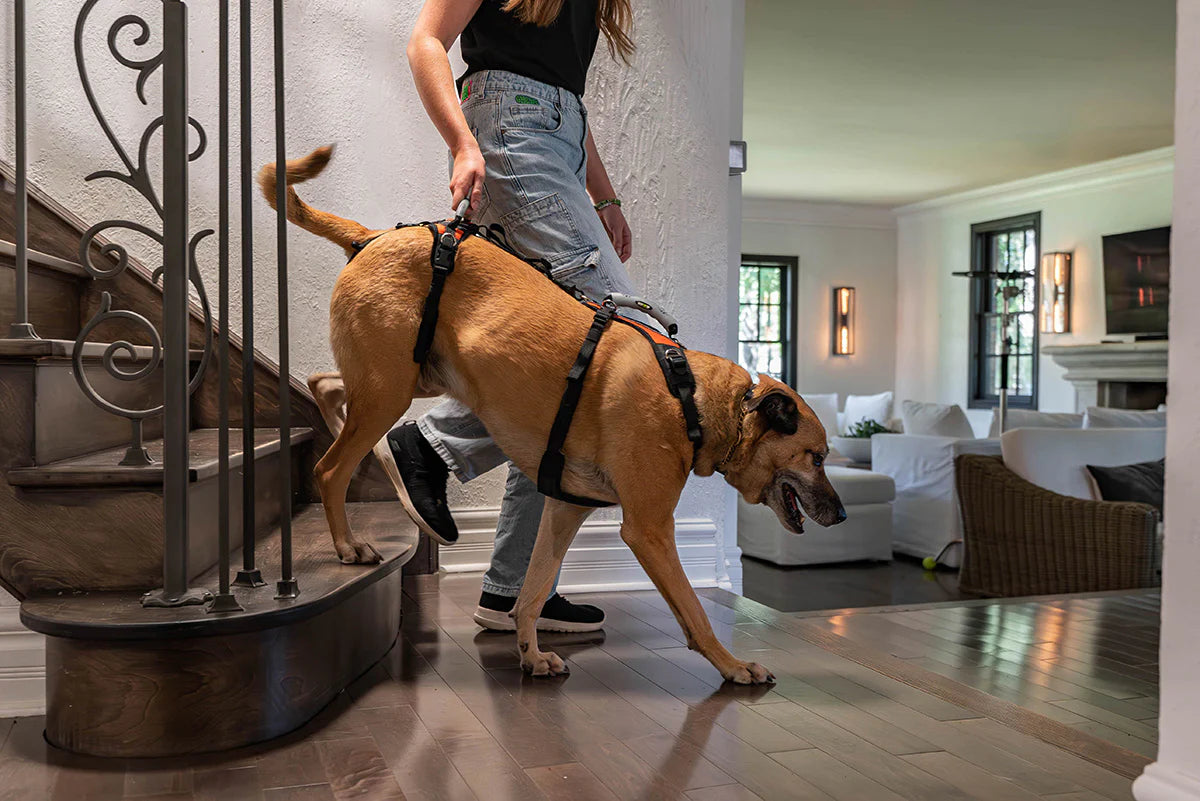
As a heavy breed, joint strain is inevitable with age. Early support is key. Provide orthopedic bedding, non-slip flooring, and ramps or stairs to help them navigate elevated surfaces without jumping.
For dogs who develop mobility issues in their senior years, a custom-built dog wheelchair can be an excellent tool. At K9 Carts, we specialize in lightweight, veterinarian-designed wheelchairs for dogs with rear leg weakness, joint issues, or degenerative conditions.
Our wheelchairs are custom-fit to ensure comfort, freedom, and long-term support for dogs like the Caucasian Shepherd who may struggle with mobility but still have the spirit to stay active.
4. Routine vet care
Annual wellness exams are important for catching health issues early. Senior dogs may need exams every six months. Vaccinations, dental cleanings, parasite control, and bloodwork all play a role in preventing problems before they become serious.
5. Weight management
Keeping your Caucasian Shepherd at an ideal weight can significantly reduce the strain on their joints and help avoid several chronic conditions. Measure meals carefully, limit treats, and ensure regular activity.
6. Preventing injuries
Due to their size and strong build, Caucasian Shepherds can injure themselves by leaping from high places or slipping on smooth surfaces. Be mindful of flooring, furniture heights, and exercise environments. Use non-slip rugs or traction mats if needed.
How do genetics affect the lifespan of a Caucasian Shepherd?
Genetics play a large role in determining how long a dog will live. Choosing a responsible breeder who tests their dogs for common inherited diseases is one of the best ways to start your dog’s life off strong.
Ask breeders about health clearances, especially for hips, elbows, heart, and eyes. Reputable breeders will be transparent and should follow national or international breed standards for health testing.
Even with good genetics, lifestyle choices made by the owner will significantly impact health outcomes over time.
How does age affect their behavior and needs?
As Caucasian Shepherds get older, their energy levels, appetite, and mobility often change. Understanding what to expect helps you adjust their care accordingly.
Puppyhood to 2 years
This stage requires close attention to joint development. Avoid over-exercising growing puppies and feed them a large-breed puppy formula that supports slow, controlled growth.
Adult (2 to 7 years)
This is the dog’s physical prime. Continue with balanced activity, obedience reinforcement, and structured feeding. Stay consistent with checkups.
Senior years (7+ years)
Older Caucasian Shepherds may sleep more, lose muscle mass, or show signs of arthritis. You may notice slower movements, stiffness, or reluctance to jump. This is when supportive care becomes especially important. Items like orthopedic beds, supplements, and even a dog wheelchair can help maintain independence and dignity.
How can you tell if your Caucasian Shepherd is aging well?
Healthy aging signs include:
-
Consistent appetite
-
Normal mobility (even if slower)
-
Clear eyes
-
Healthy coat
-
Social interaction and alertness
Signs that may indicate age-related decline or health issues:
-
Difficulty standing or walking
-
Unexplained weight loss or gain
-
Excessive panting
-
Decreased interest in food or family
-
Incontinence
-
Behavioral changes like confusion or disorientation
If you notice these, consult your veterinarian. In many cases, small changes in routine, diet, or equipment (such as a mobility aid) can make a significant difference.
Giving your Caucasian Shepherd the best life possible
While the average lifespan of a Caucasian Shepherd is around 10 to 12 years, what matters most is the quality of those years. With proper care, a safe environment, and the right support tools, many dogs live comfortably well into their senior years.
Pay close attention to their movement, behavior, and health. Use the right equipment when needed, and never underestimate the value of regular vet visits and a stable routine. Most importantly, provide consistent companionship. These dogs form deep bonds with their families and thrive when they feel secure and included.
Whether your Caucasian Shepherd is a lively puppy or a slow-moving senior, there is always something you can do to improve their life and strengthen your connection with them.
Frequently asked questions
How long do most Caucasian Shepherds live?
Most Caucasian Shepherds live between 10 and 12 years. This range is typical for large dog breeds, although some may live longer with proper care, early disease detection, and a healthy lifestyle.
Genetics, diet, weight management, regular exercise, and veterinary care all influence lifespan. Owners who support joint health and prevent obesity often see their dogs stay active and alert well into their senior years.
What health problems are common in older Caucasian Shepherds?
As they age, Caucasian Shepherds often face joint-related issues like hip and elbow dysplasia, arthritis, and decreased mobility. Other potential concerns include heart disease, obesity-related complications, and neurological conditions such as degenerative myelopathy.
Senior dogs may also experience reduced vision or hearing. Regular checkups and early intervention can significantly reduce discomfort and improve quality of life.
What is the best diet for a Caucasian Shepherd to live a long life?
A balanced diet rich in high-quality protein, healthy fats, and joint-supporting nutrients is best for promoting longevity in Caucasian Shepherds. Choose a food formulated for large or giant breeds, and avoid options with fillers, artificial preservatives, or excessive carbohydrates.
For senior dogs, lower-calorie formulas that support joint and heart health are ideal. Always adjust portion sizes based on your dog’s activity level and age. Work closely with your vet to monitor your dog’s weight and adjust the diet as needed.
Can a Caucasian Shepherd live longer with the right care?
Yes, with proper care, some Caucasian Shepherds can live slightly beyond their average 10–12-year lifespan. Factors that support longevity include a high-quality diet, consistent exercise, regular vet visits, weight management, joint support, and a low-stress environment. Preventive care is especially important for this breed.
Are Caucasian Shepherds prone to joint problems?
Yes, due to their large size and rapid growth in puppyhood, Caucasian Shepherds are prone to joint problems like hip and elbow dysplasia and arthritis. These conditions can appear early in life or develop gradually over time.
Responsible breeding, joint supplements, proper exercise, and keeping them at a healthy weight can all reduce the risk. Early intervention with physical therapy or mobility aids can also help minimize long-term damage.
What kind of exercise is safe for a Caucasian Shepherd?
Caucasian Shepherds need moderate, low-impact exercise to stay healthy without putting excess strain on their joints. Daily walks, short hikes, and playtime in a secure area are ideal.
Avoid high-impact activities like jumping or running on hard surfaces, especially during puppyhood or senior years. Gentle movement helps maintain muscle tone, supports joint health, and prevents obesity. Always adjust exercise levels based on age, weather, and your dog’s physical condition.
How do I support my Caucasian Shepherd’s mobility as they age?
To support aging mobility, provide soft, non-slip flooring, orthopedic bedding, ramps instead of stairs, and regular joint supplements if recommended by your vet. Low-impact movement and massage can keep circulation healthy. For dogs with advanced joint or neurological issues, a custom wheelchair can help them stay active without stress on weakened limbs.
Do Caucasian Shepherds need special care in old age?
Yes, older Caucasian Shepherds benefit from specific care adjustments. This includes more frequent vet visits (every 6 months), joint supplements, softer food if teeth are worn, and mobility assistance when needed.
Monitor changes in appetite, behavior, or movement closely, as these may indicate age-related health issues. Keep their environment calm, accessible, and safe. Daily attention and support can significantly improve their comfort and emotional well-being during the senior years.
References

Share this
Featured product
Popular posts


