


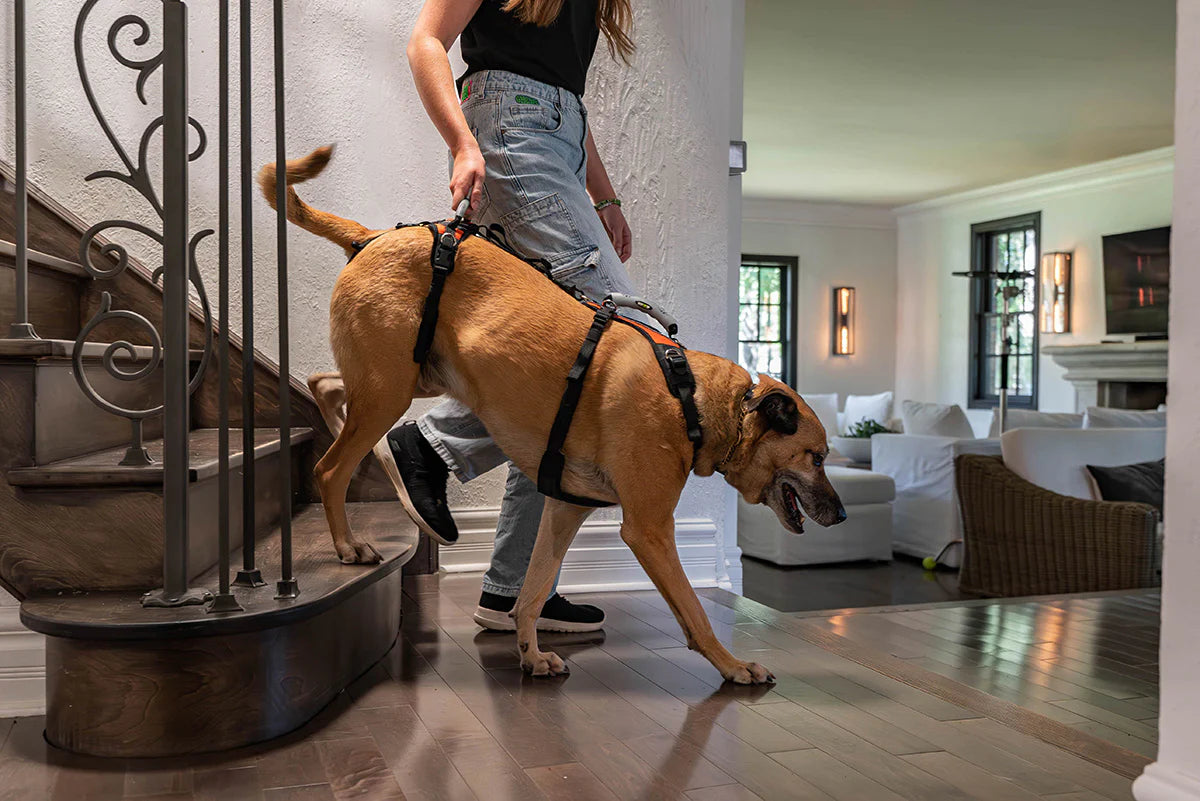
Labrador Health Issues: 9 Common Conditions & Early Warning Signs

Labrador Retrievers are one of the most popular dog breeds in the United States, known for their friendly personalities, intelligence, and loyalty. But like all breeds, they are prone to specific health conditions that every responsible owner should be aware of. Understanding the most common Labrador health issues, along with the early signs, can help you catch problems sooner and improve your dog’s quality of life.
Some of these conditions are manageable with early intervention. Others, especially those affecting mobility, may require long-term solutions like physical therapy, lifestyle changes, or supportive devices such as custom-built dog wheelchairs.
This guide covers 9 of the most common Labrador Retriever health conditions and what to look for before symptoms become severe.
What are the most common health problems in Labrador Retrievers?
Labradors are generally healthy dogs, but certain conditions appear more frequently in this breed due to genetics and physical structure. Below are nine of the most common health problems seen in Labradors.
1. Hip dysplasia
What it is:
Hip dysplasia is a hereditary condition where the hip joint doesn't form properly. Over time, this causes joint looseness, arthritis, and pain.
Early signs to watch for:
-
Stiffness after exercise or rest
-
Trouble standing up or jumping
-
Bunny-hopping gait
-
Reluctance to run or play
Why it matters:
If left untreated, hip dysplasia can severely limit a dog's mobility. For Labradors experiencing advanced hip dysplasia, devices like rear support dog wheelchairs can help them stay active with less pain. Learn more about canine wheelchairs here.
2. Elbow dysplasia
What it is:
Elbow dysplasia involves abnormal development in the elbow joint, usually due to a combination of genetic and developmental factors. It's especially common in medium to large breeds like Labradors.
Early signs to watch for:
-
Limping on the front legs
-
Swelling around the elbows
-
Decreased range of motion
-
Signs of discomfort when extending the leg
Why it matters:
Elbow dysplasia can lead to early-onset arthritis and chronic pain. In severe cases, mobility support may be needed, especially as the dog ages.
3. Obesity
What it is:
Labradors are known for their hearty appetite. Without proper portion control and regular exercise, they are at high risk of becoming overweight or obese.
Early signs to watch for:
-
Weight gain over a short period
-
Difficulty walking or rising
-
Fat deposits over the back or chest
-
Shortness of breath during light activity
Why it matters:
Obesity increases the risk of diabetes, heart disease, and joint problems like arthritis. Keeping your Labrador at a healthy weight is one of the most important steps in preventing other serious health issues.
4. Cruciate ligament injuries
What it is:
The cranial cruciate ligament (CCL) in dogs is similar to the ACL in humans. It helps stabilize the knee. Labradors are at higher risk of tearing this ligament due to their weight and activity level.
Early signs to watch for:
-
Sudden limping or refusal to bear weight on one leg
-
Swelling around the knee
-
Stiffness after exercise
-
Clicking sound when walking
Why it matters:
CCL tears often require surgery. If surgery isn't possible due to age or other health issues, a supportive device like a custom dog wheelchair can help with mobility during recovery or long-term.
5. Progressive retinal atrophy (PRA)
What it is:
PRA is a genetic disease that affects the retina, leading to vision loss and eventual blindness.
Early signs to watch for:
-
Bumping into furniture or walls
-
Reluctance to go out at night
-
Cloudy or shiny appearance in the eyes
-
Nervousness in new environments
Why it matters:
While PRA doesn't cause physical pain, it can impact your Labrador's confidence and behavior. Helping your dog adapt through consistent routines and secure environments is key.
6. Exercise-induced collapse (EIC)
What it is:
EIC is a hereditary condition seen mostly in young adult Labradors. It causes sudden muscle weakness or collapse after intense exercise.
Early signs to watch for:
-
Staggering or dragging back legs during activity
-
Sudden loss of balance after play
-
Recovery within minutes after rest
Why it matters:
EIC is not curable, but it can be managed by avoiding strenuous activity. In more advanced cases or if the dog has other mobility issues, rear support carts may help reduce strain during short walks.
7. Arthritis
What it is:
Arthritis is the inflammation of joints, often due to wear and tear over time. It is very common in senior Labradors and those with a history of joint injuries.
Early signs to watch for:
-
Stiffness, especially in the morning
-
Swollen joints
-
Decreased interest in play
-
Slow movement or hesitation to climb stairs
Why it matters:
Arthritis cannot be reversed, but symptoms can be managed. Lightweight dog wheelchairs designed for arthritic dogs can take pressure off painful joints and restore some mobility.
8. Laryngeal paralysis
What it is:
Laryngeal paralysis occurs when the nerves controlling the voice box muscles weaken. This can block airflow and cause breathing problems.
Early signs to watch for:
-
Noisy or labored breathing
-
Coughing after drinking water
-
Hoarse bark
-
Tiring quickly during walks
Why it matters:
This condition may worsen with age. Moderate cases can be managed with lifestyle changes, but severe cases might need surgical intervention. Dogs with multiple health issues may also benefit from mobility support devices during recovery.
9. Intervertebral disc disease (IVDD)
What it is:
Though more common in long-backed breeds, Labradors can develop IVDD. It occurs when discs between the spine's vertebrae bulge or burst, causing nerve damage.
Early signs to watch for:
-
Reluctance to move or jump
-
Crying out when touched
-
Weakness in rear limbs
-
Partial or full paralysis
Why it matters:
IVDD can progress quickly. If your Labrador loses the ability to walk, a custom-built dog wheelchair can be a critical part of maintaining their independence and quality of life.
Frequently asked questions
What are the first signs of hip dysplasia in Labrador Retrievers?
The first signs of hip dysplasia in Labradors usually include stiffness, a wobbly or swaying walk, and hesitation to climb stairs or jump. Some dogs may show signs of discomfort after exercise or rest.
Over time, these symptoms often get worse and can lead to reduced activity, muscle loss in the hind legs, or signs of pain when touched near the hips. Early detection and management, including weight control, joint supplements, and supportive devices, can significantly improve your dog’s comfort and mobility.
How can I tell if my Labrador has arthritis or just normal aging?
You can tell the difference by watching for persistent symptoms rather than occasional stiffness. Labradors with arthritis often move slowly, struggle to get up, avoid stairs or couches, and may show signs of pain when touched around their joints.
Unlike normal aging, arthritis tends to cause consistent discomfort and reduced interest in play. If your dog shows these signs for more than a few days, it’s best to consult your veterinarian. X-rays and a physical exam can confirm arthritis and guide treatment options.
What can I do at home to help my Labrador with joint pain?
You can support a Labrador with joint pain by making simple changes at home. Keep their weight healthy to reduce pressure on their joints. Provide soft bedding, non-slip rugs, and ramps for easier access to furniture or vehicles. Gentle daily walks can help maintain flexibility.
Supplements like glucosamine and omega-3 fatty acids may also support joint health. In more advanced cases, mobility aids such as custom-built dog wheelchairs can reduce strain and allow your dog to move with less pain.
Is progressive retinal atrophy in Labradors painful or dangerous?
Progressive retinal atrophy (PRA) is not painful, but it does lead to blindness over time. The condition affects the retina and usually starts with night blindness, followed by full vision loss. While PRA itself does not cause physical pain, it can cause behavioral changes such as anxiety or hesitation in unfamiliar places.
Labradors typically adapt well to vision loss with consistent routines, verbal cues, and a safe environment. Early diagnosis allows owners to prepare and help their dogs adjust safely.
How do I know if my Labrador has exercise-induced collapse (EIC)?
You may suspect EIC if your Labrador shows sudden weakness or collapse during intense play or exercise, especially in warm weather. Affected dogs may begin to wobble, drag their back legs, or fall over after five to fifteen minutes of activity.
Most recover within a few minutes with rest. EIC is genetic, and testing is available to confirm the condition. Management includes avoiding intense exertion and monitoring your dog during physical activity to prevent episodes.
What is the best way to manage a Labrador's weight to prevent health problems?
The best way to manage your Labrador’s weight is by combining portion control with regular low-impact exercise. Measure food according to your vet’s guidance and avoid free-feeding. Use healthy treats in moderation and substitute food rewards with praise or play.
Regular walks, swimming, and gentle games help maintain muscle tone and reduce the risk of obesity-related conditions like arthritis, diabetes, and heart disease. A healthy weight also lowers pressure on joints, especially in aging or mobility-impaired Labradors.
Can Labradors recover fully from cruciate ligament injuries?
Some Labradors can recover fully from cruciate ligament (CCL) injuries with proper treatment, but the outcome depends on the dog’s age, size, and overall health. Surgery is often recommended and has a high success rate. Physical therapy, weight control, and joint supplements also support recovery.
For dogs that cannot undergo surgery or need extra help during recovery, supportive devices like knee braces or rear dog wheelchairs can aid mobility and prevent further injury. Without treatment, the injury can worsen or lead to arthritis.
How do I know if my Labrador is developing laryngeal paralysis?
Early signs of laryngeal paralysis include noisy or raspy breathing, especially when excited or after light activity. Your Labrador may cough when drinking water, show a hoarse bark, or tire quickly during short walks. As the condition progresses, breathing may become labored, particularly in warm temperatures.
If you notice any of these signs, contact your veterinarian. Diagnosis is typically made with a physical exam and airway inspection under light sedation. Treatment may include lifestyle changes or surgery, depending on severity.
References

Share this
Featured product
Popular posts


