


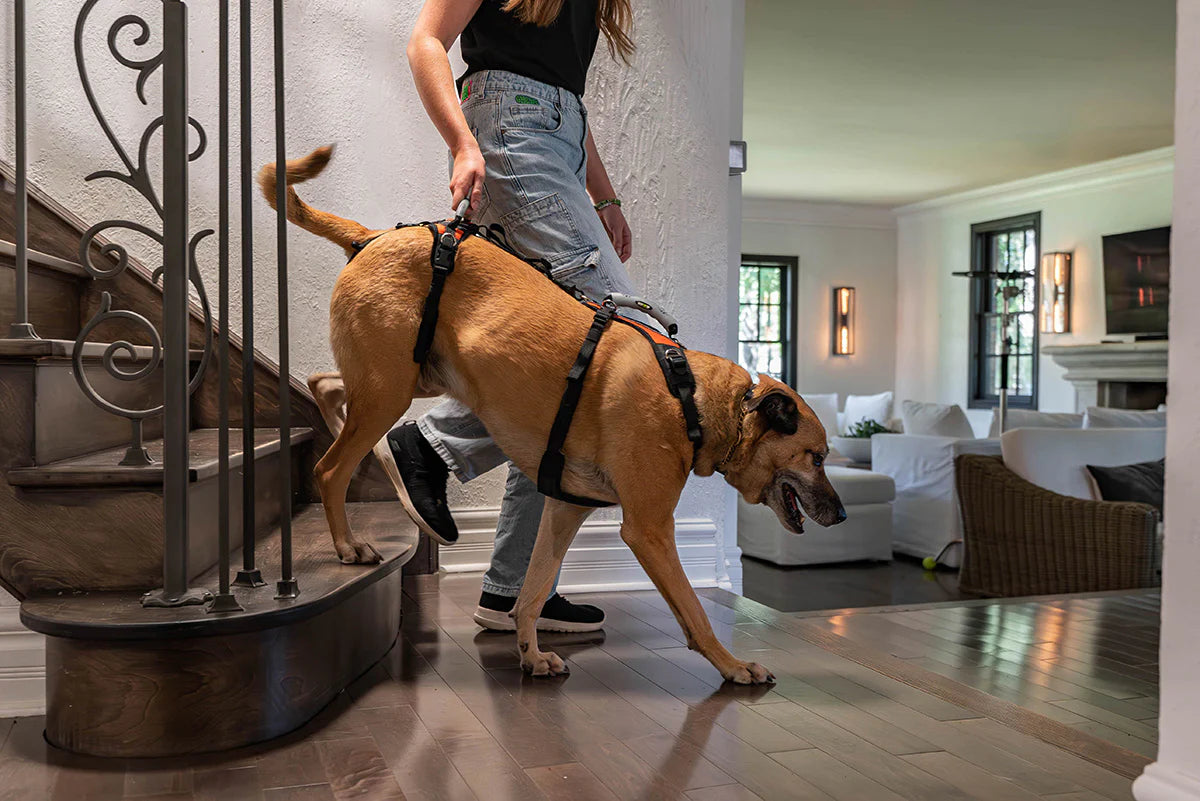
Septic Arthritis in Dogs: Causes, Symptoms, and Treatment Options

Septic arthritis is a painful and serious joint condition that affects dogs of all breeds and sizes. It happens when bacteria or other infectious agents get inside a joint, causing inflammation, swelling, and often significant pain. If not treated quickly, septic arthritis can lead to permanent joint damage and mobility issues.
This page explains what septic arthritis is, how dogs get it, the signs to watch for, and what treatment options are available. We'll also look at how recovery and mobility can be supported, especially in more severe cases.
What is septic arthritis in dogs?
Septic arthritis, also called infectious arthritis, is a joint infection that leads to inflammation. It most often affects one joint at a time, although more than one joint can be involved in rare cases.
The condition happens when harmful organisms, most often bacteria, enter the joint space. The immune system reacts to fight off the infection, but this response causes the joint to fill with pus and fluid. This creates pressure and pain and can quickly damage the cartilage inside the joint.
Septic arthritis is different from other forms of arthritis, like osteoarthritis, because it is caused by an active infection. It requires urgent medical treatment to prevent long-term damage or even life-threatening complications.
What causes septic arthritis in dogs?
There are several ways bacteria or other infectious agents can enter a dog's joint and cause septic arthritis:
1. Direct joint penetration
-
Trauma or injury: Deep puncture wounds near a joint from a bite, laceration, or sharp object can introduce bacteria directly into the joint space.
-
Surgery: Although rare, joint surgeries or procedures like joint injections can introduce bacteria if sterility is compromised.
2. Spread from an infection elsewhere in the body
-
Bloodstream infection (hematogenous spread): Infections in other parts of the body, such as urinary tract infections, dental disease, or skin infections, can enter the bloodstream and travel to the joints.
-
Nearby infected tissues: Infections in soft tissues or bones close to a joint can spread into the joint capsule.
3. Weakened immune system
Dogs with suppressed immune systems, either due to disease or certain medications, are more likely to develop septic arthritis if exposed to pathogens.
4. Common organisms involved
The bacteria most often responsible for septic arthritis in dogs include:
-
Staphylococcus species (especially Staphylococcus pseudintermedius)
-
Streptococcus species
-
Escherichia coli
-
Anaerobic bacteria in some cases
Fungal or viral causes are much less common, but can occur in certain geographic regions or in dogs with underlying conditions.
What are the symptoms of septic arthritis in dogs?
Septic arthritis usually causes sudden and severe symptoms. Signs tend to develop quickly and worsen over a short period of time. Common symptoms include:
-
Limping or lameness: Often severe, and typically affecting only one limb
-
Swollen joint: The joint may look visibly enlarged and feel warm or firm
-
Painful joint: Dogs may cry out or pull away when the area is touched
-
Stiffness: Especially noticeable after rest
-
Lethargy: A drop in energy or willingness to move
-
Fever: May or may not be present
-
Loss of appetite
In some cases, dogs may not show clear signs of pain, especially if they have a high pain tolerance or if the infection is just beginning.
Prompt veterinary attention is essential. Waiting too long can result in irreversible joint damage.
How is septic arthritis diagnosed in dogs?
Veterinarians use several methods to confirm septic arthritis and find the best treatment plan:
Physical exam
The vet will examine your dog’s joints for swelling, warmth, and pain, and assess their range of motion.
Joint fluid analysis
This is the most important step. A small sample of fluid is drawn from the affected joint using a needle and is then analyzed for:
-
White blood cell count
-
Presence of bacteria
-
Type of bacteria (via culture and sensitivity tests)
This test helps confirm the infection and guides the choice of antibiotics.
Blood tests
These can show signs of infection and inflammation, such as high white blood cell counts or elevated inflammatory markers.
Imaging
X-rays may be used to evaluate joint structure. In early septic arthritis, X-rays may appear normal, but in chronic cases, they can show bone loss, joint space narrowing, or other damage.
Ultrasound or advanced imaging (like MRI) may be used in certain cases.
What treatment options are available for septic arthritis in dogs?
1. Antibiotic therapy
The main treatment for septic arthritis is antibiotics. These are usually given orally or by injection, depending on the severity of the infection.
-
Broad-spectrum antibiotics are typically started immediately, then adjusted based on the culture results.
-
Treatment usually lasts at least 4 to 6 weeks, and sometimes longer if the infection is stubborn.
2. Joint drainage and flushing
If there is a large buildup of fluid or pus, the vet may need to drain the joint with a needle or surgically flush it out. This helps relieve pressure and remove bacteria and inflammatory debris.
3. Surgery
Surgery may be necessary if:
-
The infection does not improve with medication alone
-
There is damage to joint structures that needs repair
-
The cause of the infection is surgical hardware or foreign material that must be removed
4. Pain management
Pain relief is essential. Anti-inflammatory drugs, opioids, or other medications may be prescribed to keep your dog comfortable during recovery.
5. Supportive care
In severe cases, dogs may need fluids, nutritional support, and close monitoring during the acute phase of illness.
Can a dog recover fully from septic arthritis?
Many dogs recover well from septic arthritis if treatment begins early and the infection is controlled. However, long-term effects depend on several factors:
-
How quickly treatment began
-
Severity of joint damage
-
Dog’s age and overall health
-
Underlying cause of the infection
Some dogs may have mild to moderate joint stiffness or arthritis afterward, especially if the joint was severely affected. Others may develop chronic joint pain or limited mobility.
How can mobility be supported during and after recovery?
Dogs healing from septic arthritis may struggle with walking or standing, especially if one of their hind limbs is affected. In these cases, mobility support can make a big difference.
Custom dog wheelchairs
For dogs with lingering weakness, joint instability, or pain in their hind legs, a custom-built dog wheelchair, such as those made by K9 Carts, can provide excellent support. These carts:
-
Help reduce pressure on painful joints
-
Allow dogs to stay active during recovery
-
Support physical therapy and encourage natural movement
-
Improve comfort and mental well-being
Because each dog has a unique build and condition, a custom fit ensures proper support without causing additional strain.
Physical therapy
Hydrotherapy, gentle stretching, and other exercises can help rebuild strength and mobility. Your vet or a canine rehabilitation specialist can guide you on a program tailored to your dog’s needs.
Joint supplements and long-term care
Your vet may recommend:
-
Glucosamine and chondroitin
-
Omega-3 fatty acids
-
Regular low-impact activity
-
Weight management to reduce joint stress
These steps can help maintain joint health and comfort, especially in dogs who develop arthritis after an infection.
Staying ahead of joint infections
Septic arthritis is a serious condition, but with early diagnosis and proper care, most dogs can regain a good quality of life. Knowing the signs and acting quickly can make all the difference.
If your dog has a history of joint injury, surgery, or infection, or shows sudden lameness, it is important to seek veterinary care immediately. And if your dog is recovering from septic arthritis and needs extra help getting around, supportive tools like K9 Carts’ custom wheelchairs can help them stay mobile, confident, and safe as they heal.
Early support, both medical and physical, is the key to helping your dog move forward—literally and figuratively.
Frequently asked questions
What is the difference between septic arthritis and osteoarthritis in dogs?
Septic arthritis is caused by a joint infection, usually bacterial, while osteoarthritis is a degenerative joint disease that occurs over time due to wear and tear. Septic arthritis develops quickly, often within hours or days, and causes sudden joint swelling, pain, and lameness.
Osteoarthritis progresses slowly and typically affects older dogs. Septic arthritis requires urgent antibiotic treatment, while osteoarthritis is managed with long-term therapies such as joint supplements, anti-inflammatory medications, and lifestyle changes.
How quickly does septic arthritis progress in dogs?
Septic arthritis can progress rapidly in dogs, with noticeable symptoms often developing within 24 to 48 hours of infection. Joint swelling, pain, and difficulty walking are common early signs. Without quick treatment, permanent joint damage can occur within a few days.
This urgency is why early recognition and veterinary care are critical. Delays in treatment may lead to long-term complications, including chronic pain or reduced mobility, even after the infection is cleared.
Can a dog fully recover from septic arthritis?
Yes, many dogs can fully recover from septic arthritis if the condition is diagnosed early and treated promptly with antibiotics and joint drainage when needed. However, some dogs may have residual joint stiffness or arthritis, especially if there was extensive damage before treatment began.
Long-term care may involve joint supplements, physical therapy, or mobility aids. Dogs with underlying health issues may need more time to heal and could be at higher risk for future joint problems.
Is septic arthritis in dogs contagious to other pets or humans?
Septic arthritis itself is not contagious. It is caused by bacteria that enter the joint space through wounds, surgeries, or systemic infections. However, the bacteria responsible for the infection, such as Staphylococcus or E. coli, can be contagious in certain situations.
Good hygiene practices, such as handwashing after touching an infected area or wound, are recommended. If multiple pets are in close contact, and one has a wound or infection, it's important to monitor all animals closely.
How long does it take for antibiotics to work for septic arthritis in dogs?
Most dogs begin to show improvement within a few days of starting antibiotics, but treatment usually continues for 4 to 6 weeks. The initial antibiotic is chosen based on the vet’s evaluation and may be adjusted after lab results from joint fluid cultures are available.
Full recovery depends on the severity of the infection and how early treatment began. Follow-up visits are important to monitor the response and adjust the plan if needed.
What are the long-term effects of septic arthritis in dogs?
The long-term effects of septic arthritis in dogs depend on how quickly the infection was treated and the extent of joint damage. Some dogs recover completely with no lasting issues. Others may develop chronic joint pain, stiffness, or reduced mobility.
In more severe cases, especially if the infection caused cartilage damage, dogs may develop post-infectious arthritis. Managing these effects may involve lifestyle adjustments, joint support supplements, and physical therapy.
Can physical therapy help dogs recover from septic arthritis?
Yes, physical therapy can play a key role in recovery after septic arthritis. Once the infection is under control and inflammation has decreased, gentle exercises can help restore joint mobility and strengthen the muscles around the affected joint.
Hydrotherapy, range-of-motion exercises, and laser therapy are often used to improve outcomes. A canine rehabilitation specialist can create a personalized plan based on your dog’s condition and progress.
What types of dogs are more at risk for septic arthritis?
Any dog can develop septic arthritis, but those at higher risk include dogs with recent joint injuries or surgery, deep puncture wounds near joints, or pre-existing immune system issues. Puppies and senior dogs may also be more vulnerable due to weaker immune responses.
Dogs with chronic conditions such as diabetes or those on immunosuppressive medications also face increased risk. Keeping wounds clean and treating infections promptly helps lower the chance of joint infections.
How can I prevent septic arthritis in my dog?
Prevention starts with keeping your dog’s skin and joints protected from injury. Clean and treat any wounds near joints promptly and visit your vet for deep cuts, punctures, or bite wounds.
If your dog is having joint surgery or injections, ensure the procedure is done by a qualified veterinarian following strict hygiene protocols. Managing chronic infections, maintaining good dental hygiene, and supporting your dog’s immune system also reduce the risk of bacteria spreading to the joints.
References

Share this
Featured product
Popular posts


