


How Long Do Dobermans Live? Average Lifespan and Care Tips

Dobermans are known for their loyalty, intelligence, and strength. Many families and individuals choose them for their companionship, working ability, and protective nature. If you're thinking about bringing a Doberman into your life or already have one, you're likely wondering how long you can expect them to live, and what you can do to help them stay healthy as long as possible.
This guide covers everything you need to know about the lifespan of a Doberman, common health concerns, how to support them as they age, and ways to improve their quality of life at every stage.
What is the average lifespan of a Doberman?
The average lifespan of a Doberman Pinscher is 10 to 13 years. However, several factors can influence where a specific dog might fall within that range. Genetics, diet, exercise, veterinary care, and even emotional well-being all play a role in determining a Doberman’s life expectancy.
While some Dobermans live beyond 13 years, it's less common. On the other hand, others may face serious health challenges earlier in life, especially if certain inherited conditions are present.
What health issues commonly affect Dobermans?
Dobermans are generally a robust breed, but like all purebred dogs, they are prone to specific health problems. Understanding these risks helps you detect early signs and make informed care decisions.
1. Dilated cardiomyopathy (DCM)
This is one of the most serious health conditions in Dobermans. DCM is a heart disease that causes the heart to enlarge and weaken. It often goes undetected until the later stages, which is why regular heart screenings are essential.
Symptoms to watch for:
-
Fainting or collapse
-
Shortness of breath
-
Sudden weakness
-
Coughing, especially at night
Routine cardiac evaluations by a veterinary cardiologist can help with early detection and management.
2. Wobbler syndrome
Also known as cervical vertebral instability, this neurological condition affects the spinal cord in the neck area. It often leads to unsteady walking, weakness in the back legs, and difficulty rising.
In later stages, dogs may lose coordination or mobility altogether. While surgery is an option in some cases, many Dobermans with Wobbler syndrome benefit from supportive equipment, such as custom dog wheelchairs.
3. Hip dysplasia and arthritis
Hip dysplasia is a genetic condition that can lead to arthritis and joint pain. Large breeds like the Doberman are especially at risk. Over time, these joint problems can severely limit mobility.
Signs include:
-
Difficulty climbing stairs
-
Stiffness after rest
-
Lameness in the back legs
-
Reluctance to exercise
Managing arthritis in Dobermans often includes weight control, joint supplements, physical therapy, and in some cases, mobility aids.
4. Cancer
Dobermans can develop several types of cancer, especially as they age. Common forms include osteosarcoma (bone cancer), lymphoma, and melanoma.
While early detection can improve outcomes, cancer remains one of the leading causes of death in older Dobermans.
5. Von Willebrand's disease
This inherited bleeding disorder affects the blood’s ability to clot. It may not always show symptoms until a surgery or injury occurs.
Veterinarians usually screen for this condition before any major procedures.
How can you help your Doberman live longer?
There’s no way to guarantee how long a dog will live, but there are clear steps you can take to increase your Doberman’s chances of living a long, healthy life.
Provide a balanced and breed-appropriate diet
Feeding your Doberman a high-quality diet supports joint health, immune function, and overall well-being. Look for food that’s rich in:
-
Lean animal protein
-
Omega-3 fatty acids (for joint and heart health)
-
Antioxidants (to support cell repair)
-
Probiotics (for digestive health)
Avoid overfeeding, as obesity significantly raises the risk of heart disease, arthritis, and diabetes.
Ensure regular veterinary check-ups
Annual wellness exams allow your vet to catch signs of disease before they become serious. For senior Dobermans (age 7+), exams every six months are a smart choice.
Heart screenings for DCM, blood panels, and joint evaluations should become part of your Doberman’s routine care.
Maintain a healthy weight
Dobermans are muscular and athletic. Carrying even a few extra pounds can put extra strain on their joints and heart.
Monitor calorie intake, treat use, and stay consistent with exercise.
Keep them physically and mentally active
Dobermans need daily physical exercise to stay fit and mentally engaged. This can include:
-
Long walks
-
Play sessions in a secure yard
-
Obedience training
-
Puzzle toys
Mental stimulation reduces anxiety and behavior problems, which can improve overall health and lifespan.
Consider physical therapy and mobility aids when needed
If your Doberman starts to show signs of weakness, dragging paws, or difficulty standing, they may benefit from physical therapy. Laser therapy, hydrotherapy, and massage can all help relieve pain and improve movement.
In cases where a dog loses the ability to walk normally due to joint degeneration or neurological disease, mobility equipment becomes essential. At K9 Carts, we’ve helped thousands of dogs regain independence with our custom-built wheelchairs. For Dobermans, a proper fit is critical, which is why we build each cart to match your dog’s exact measurements.
Prioritize dental care
Oral health has a direct impact on a Doberman’s longevity. Untreated dental disease can lead to infections that affect the heart and kidneys.
Brush your Doberman’s teeth several times per week and schedule professional cleanings as advised by your veterinarian.
When do Dobermans become seniors?
Most Dobermans begin showing signs of aging between 7 and 8 years old. This is when you may start noticing:
-
Slower recovery after exercise
-
More frequent rest periods
-
Greying muzzle or coat
-
Decreased hearing or vision
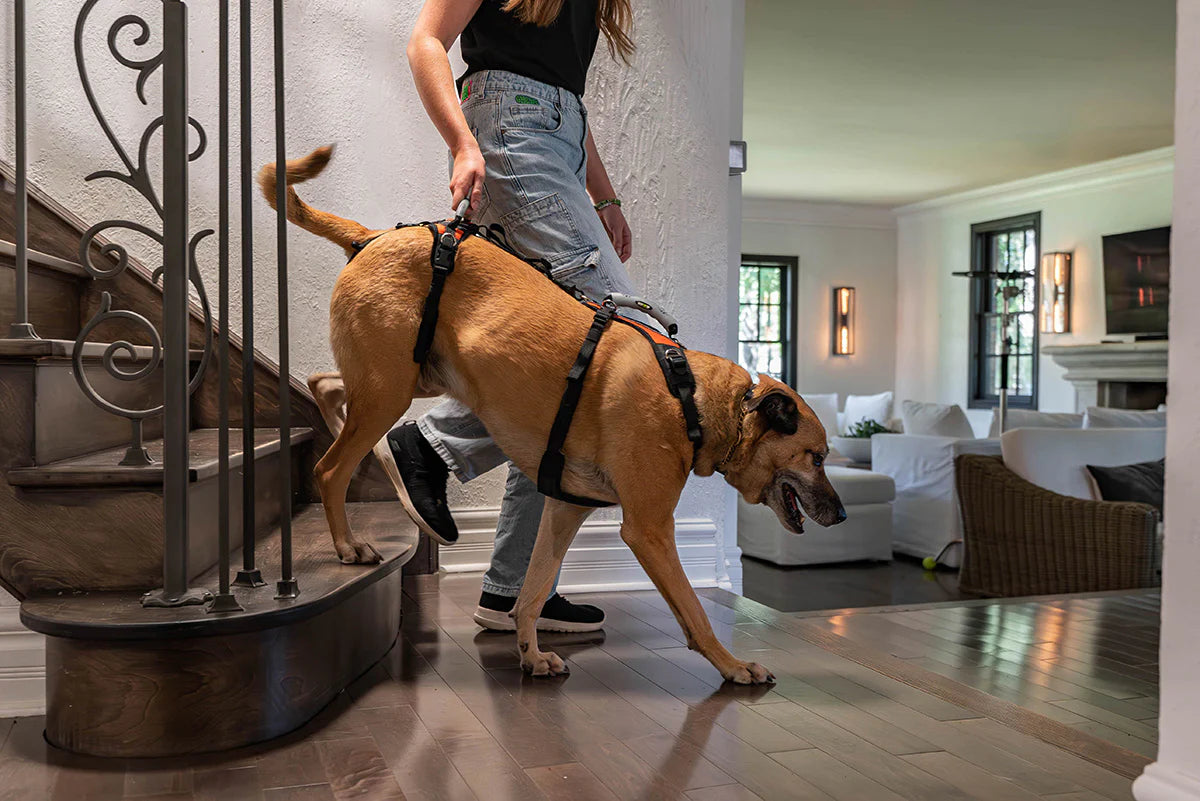
Senior care should focus on comfort, joint support, and preventive health care. Providing a soft bed, traction on floors, and assistance with stairs all go a long way. Many older Dobermans may also benefit from assistive devices such as slings or wheelchairs to help with mobility and independence.
Are there differences in lifespan between male and female Dobermans?
On average, female Dobermans may live slightly longer than males. This difference is usually small and often depends more on the individual dog’s genetics and lifestyle.
Some research suggests that spayed females have a reduced risk of certain cancers and reproductive diseases, which may contribute to a longer life.
What role does early socialization and training play in lifespan?
Behavioral health impacts physical health. Well-socialized Dobermans experience less stress, which supports heart health, immunity, and digestion.
Start training and socialization early. Teach your dog how to feel confident in different environments, around people and other animals. A calm and confident Doberman is more likely to enjoy a safe, stable, and less stressful life.
Frequently Asked Questions
What is the most common cause of death in Dobermans?
The most common cause of death in Dobermans is dilated cardiomyopathy (DCM), a serious heart condition that weakens the heart muscle and affects its ability to pump blood efficiently. This disease often progresses with little or no outward symptoms until the later stages, which can lead to sudden cardiac failure.
Regular heart screenings with a veterinary cardiologist, especially for Dobermans over the age of 4, are highly recommended. Early diagnosis and medical management can sometimes slow the progression of DCM and improve quality of life.
Do Dobermans live longer if they are well exercised?
Yes, Dobermans that are regularly exercised tend to live longer and healthier lives. Consistent physical activity helps maintain a healthy weight, supports joint health, strengthens the cardiovascular system, and reduces stress and anxiety. Exercise also provides important mental stimulation for this intelligent breed.
Aim for at least 60 minutes of structured physical activity per day, which can include walks, fetch, or agility training. Always adjust the intensity based on your dog’s age and health condition, especially if they show signs of joint or mobility issues.
At what age is a Doberman considered a senior dog?
A Doberman is typically considered a senior dog between the ages of 7 and 8 years old. This is when age-related changes, such as slower movement, reduced stamina, and greying of the coat, often begin to appear.
At this stage, you should consider more frequent veterinary checkups (every 6 months), joint support supplements, and a softer diet if needed. Senior Dobermans also benefit from comfort-focused care, like orthopedic beds, non-slip flooring, and assistive devices if mobility starts to decline.
What can I do to help my aging Doberman with mobility problems?
To help an aging Doberman with mobility problems, start by consulting your veterinarian to identify the cause, which may include arthritis, hip dysplasia, or neurological conditions like Wobbler syndrome. Based on the diagnosis, treatments may involve joint supplements, physical therapy, pain management, or laser therapy.
For dogs struggling to walk or stand, a custom dog wheelchair from a company like K9 Carts can restore mobility and independence. These wheelchairs are designed specifically for your dog’s size and condition, making them a safe and effective long-term solution.
Do male or female Dobermans live longer on average?
On average, female Dobermans tend to live slightly longer than males. While the difference is generally small, studies suggest that spayed females may have a lower risk of certain diseases, including some cancers and reproductive-related health issues.
However, genetics, lifestyle, and access to veterinary care play a much larger role in overall lifespan than gender alone. Both male and female Dobermans can live long and healthy lives with proper care, a balanced diet, and regular medical checkups.
How often should a Doberman see the vet as they age?
As Dobermans age, they should see the vet at least twice a year, starting around age 7. These visits should include a physical exam, blood work, and heart screenings to monitor for common age-related diseases such as DCM, arthritis, and cancer.
Early detection of disease is key to improving outcomes and extending your dog’s quality of life. More frequent visits may be necessary if your Doberman has a chronic condition or shows signs of reduced mobility, changes in appetite, or unusual behavior.
What should I feed my Doberman to help them live longer?
To support longevity, feed your Doberman a high-quality, well-balanced diet tailored to their size, energy level, and life stage. Choose dog foods that list a real animal protein as the first ingredient and include omega-3 fatty acids for heart and joint health. Avoid foods with fillers, artificial preservatives, or excessive carbohydrates.
Senior Dobermans may benefit from diets lower in calories but enriched with joint supplements. Always consult your veterinarian before making major changes to your dog’s diet.
How do I know if my Doberman is in pain from arthritis or joint problems?
Signs of arthritis or joint pain in Dobermans include:
-
Limping or stiffness, especially after rest
-
Difficulty rising, jumping, or climbing stairs
-
Reluctance to exercise or go on walks
-
Whining or sensitivity when touched in certain areas
-
Changes in posture or gait
If you notice any of these symptoms, schedule a veterinary exam. Early intervention can slow the progression of arthritis and greatly improve comfort.
Treatment may include anti-inflammatory medications, physical therapy, and assistive devices like dog wheelchairs, which are particularly helpful for larger breeds like Dobermans.
References

Share this
Featured product
Popular posts


