

How Long Do Rottweilers Live? Lifespan and Care Tips

Rottweilers are strong, intelligent, and loyal dogs. Their protective instincts and loving nature make them a favorite among families and working dog owners alike. But if you’re thinking of bringing a Rottweiler into your home, or already have one, you’ve likely wondered how long they typically live.
On this page, we’ll look at the average lifespan of a Rottweiler, the factors that influence their longevity, and how you can support their health at every stage of life.
What is the average lifespan of a Rottweiler?
On average, Rottweilers live between 8 and 10 years. However, some may live longer with proper care, reaching 11 or even 12 years. Like most large breed dogs, Rottweilers age faster than smaller breeds. Their size puts more stress on their joints and organs, which can contribute to a shorter lifespan.
It’s also worth noting that female Rottweilers tend to live slightly longer than males, often by about 1 to 2 years. This may be linked to genetics, hormones, and differences in body composition.
What are the main health issues that affect Rottweiler lifespan?
There are a few key health concerns that Rottweilers are more prone to than other breeds. These conditions can significantly affect their lifespan if not managed properly.
1. Cancer
One of the leading causes of death in Rottweilers is cancer, particularly osteosarcoma, which is a form of bone cancer. It’s aggressive and painful, often developing in the legs. Other types of cancer, such as lymphoma and hemangiosarcoma, are also seen more often in this breed.
2. Heart disease
Rottweilers are at risk for aortic stenosis, a congenital heart defect. This condition limits blood flow from the heart to the rest of the body, leading to fatigue, fainting, and eventually heart failure if not detected early.
3. Hip and elbow dysplasia
Hip and elbow dysplasia are common in large dogs and especially so in Rottweilers. These joint problems often start early in life and can lead to chronic pain, stiffness, and mobility loss. Over time, they can reduce a dog's quality of life if not properly managed.
4. Obesity
Excess weight can shorten a dog’s life and worsen many health issues, particularly joint problems and heart disease. Rottweilers are prone to weight gain, especially if they’re not getting enough exercise or are fed too many treats.
5. Neurological disorders
Conditions like degenerative myelopathy (a progressive disease of the spinal cord) can appear later in life. This disorder is not painful but causes progressive loss of mobility, often starting in the hind legs.
How can you help your Rottweiler live a longer, healthier life?
The good news is that many of the issues listed above can be managed, delayed, or sometimes even prevented with the right care. Here’s what you can do to support your Rottweiler’s health at every stage.
Feed a balanced, breed-appropriate diet
Choose high-quality dog food that is designed for large breeds and matches your dog’s age and activity level. Puppies, adults, and seniors all have different nutritional needs. Watch portion sizes and avoid overfeeding. Treats should make up no more than 10% of their daily calories.
Talk to your vet about supplements such as glucosamine, chondroitin, or omega-3 fatty acids, especially if your dog has joint issues.
Maintain a healthy weight
Rottweilers should have a visible waist and you should be able to feel their ribs under a light layer of fat. If you’re not sure what your dog’s ideal weight should be, ask your veterinarian. Even a few extra pounds can place added pressure on their joints.
Provide regular exercise
Rottweilers need daily exercise to stay fit and mentally sharp. Aim for a mix of walks, playtime, and structured training. However, avoid high-impact activities, such as jumping or long-distance running, especially on hard surfaces. These can damage their joints over time.
Swimming is an excellent low-impact exercise that keeps muscles strong without putting pressure on the joints.
Schedule regular vet visits
Routine checkups help catch problems early. Most adult dogs should see the vet once or twice a year. Senior dogs may need more frequent visits to monitor any age-related health changes. Vaccinations, dental care, and bloodwork are all part of preventive care.
If your Rottweiler is limping, slowing down, or showing signs of pain, don’t assume it's just "old age." Joint issues and neurological problems can often be treated or managed more effectively when diagnosed early.
Support their mobility as they age
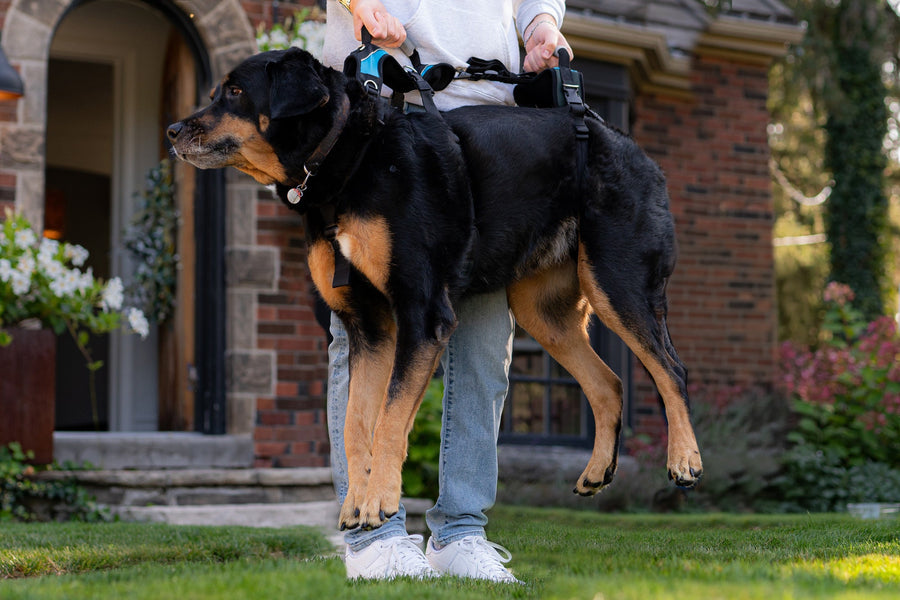
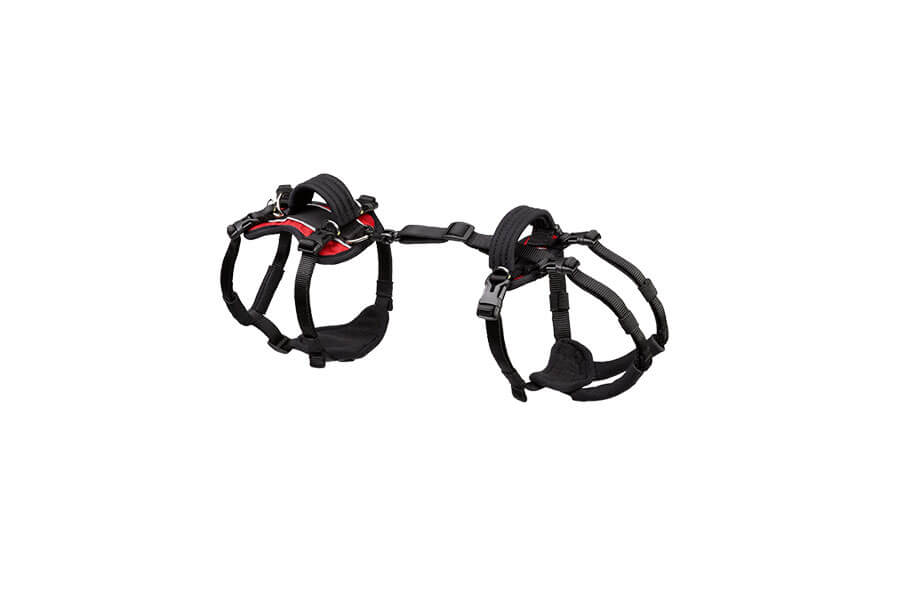
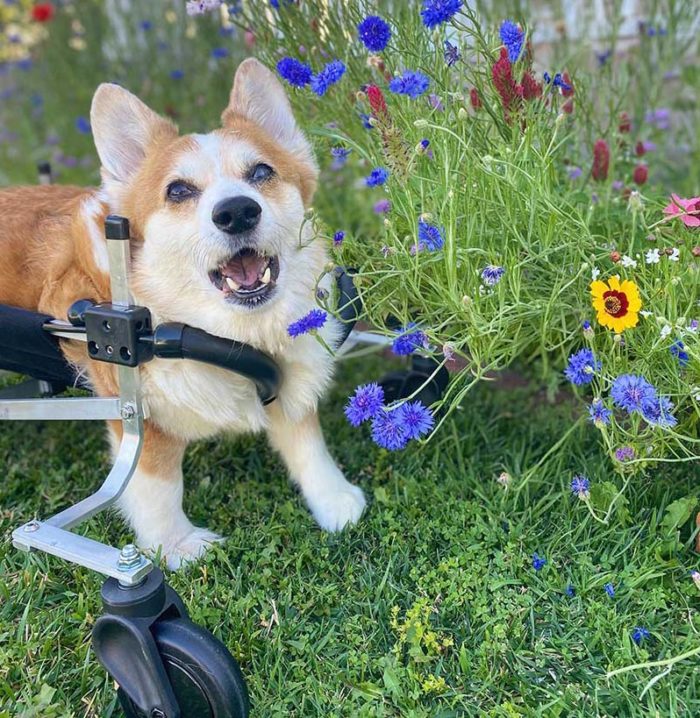
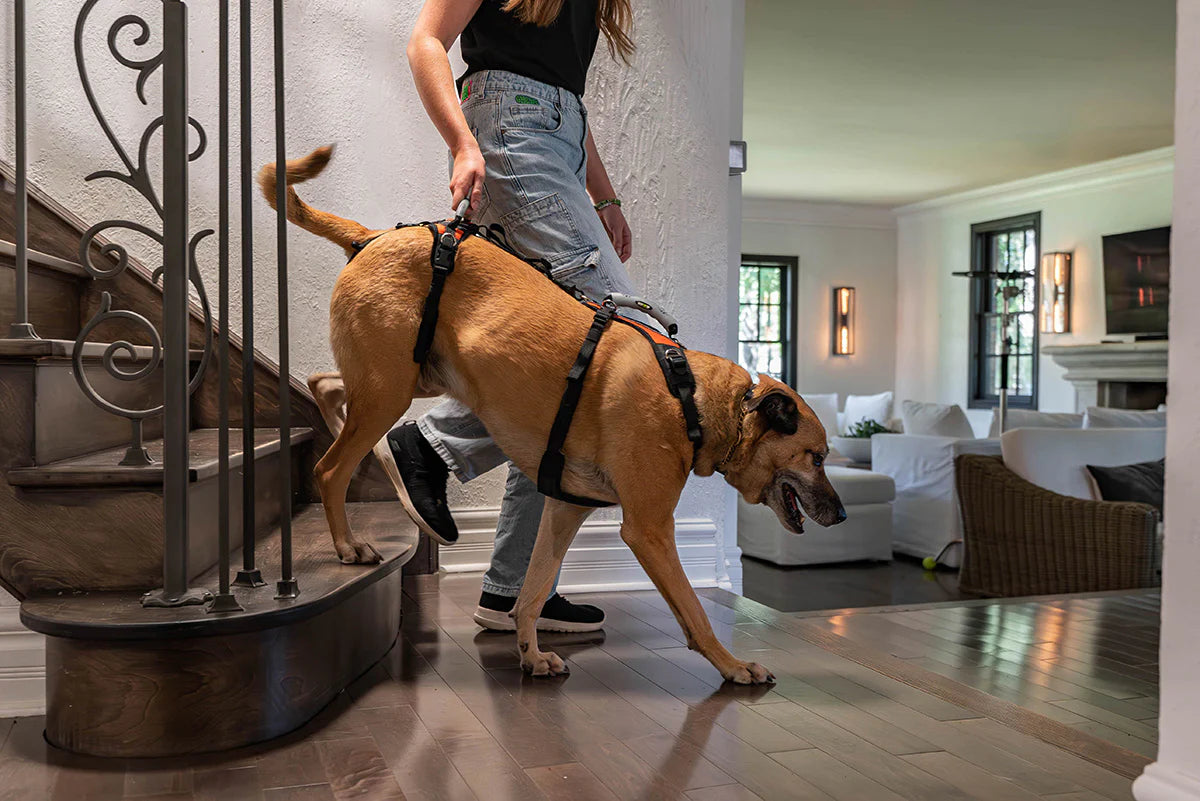
As Rottweilers get older, some may struggle with walking, standing, or getting up from lying down. Joint disease, spinal issues, or muscle loss can all affect their mobility. If your dog has difficulty moving but still has a strong will to be active, a mobility aid like a custom-built dog wheelchair can make a big difference.
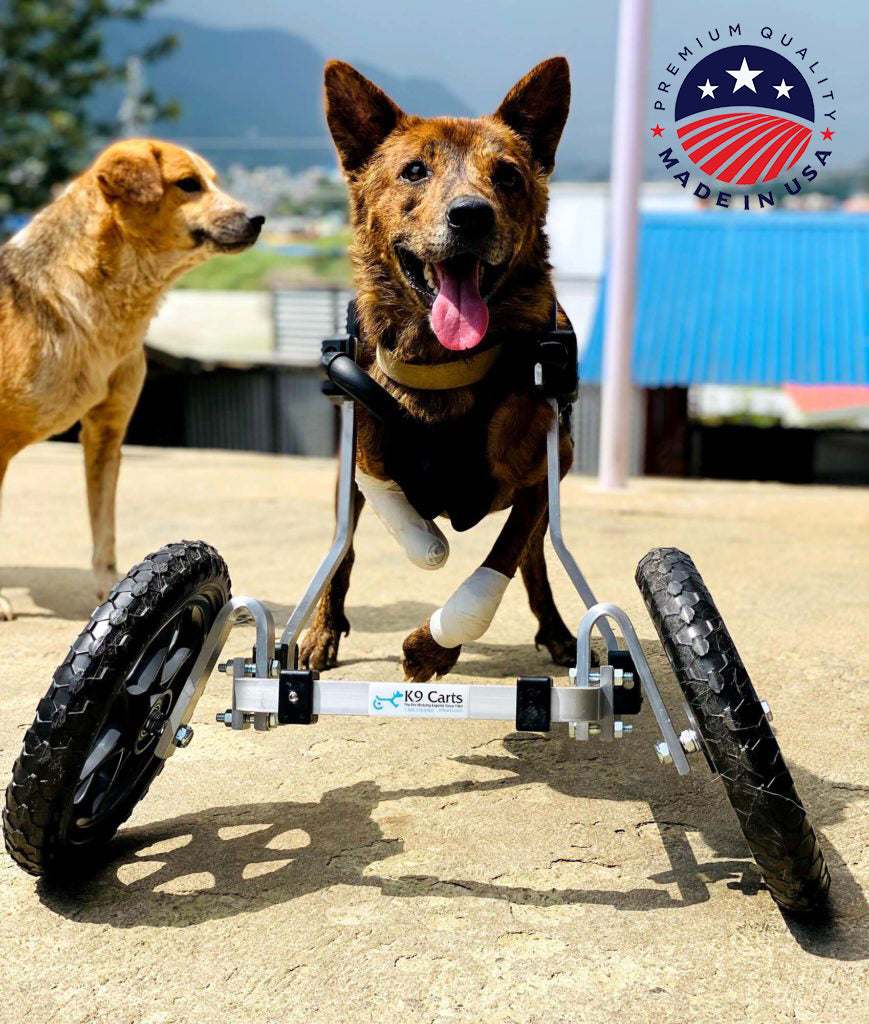
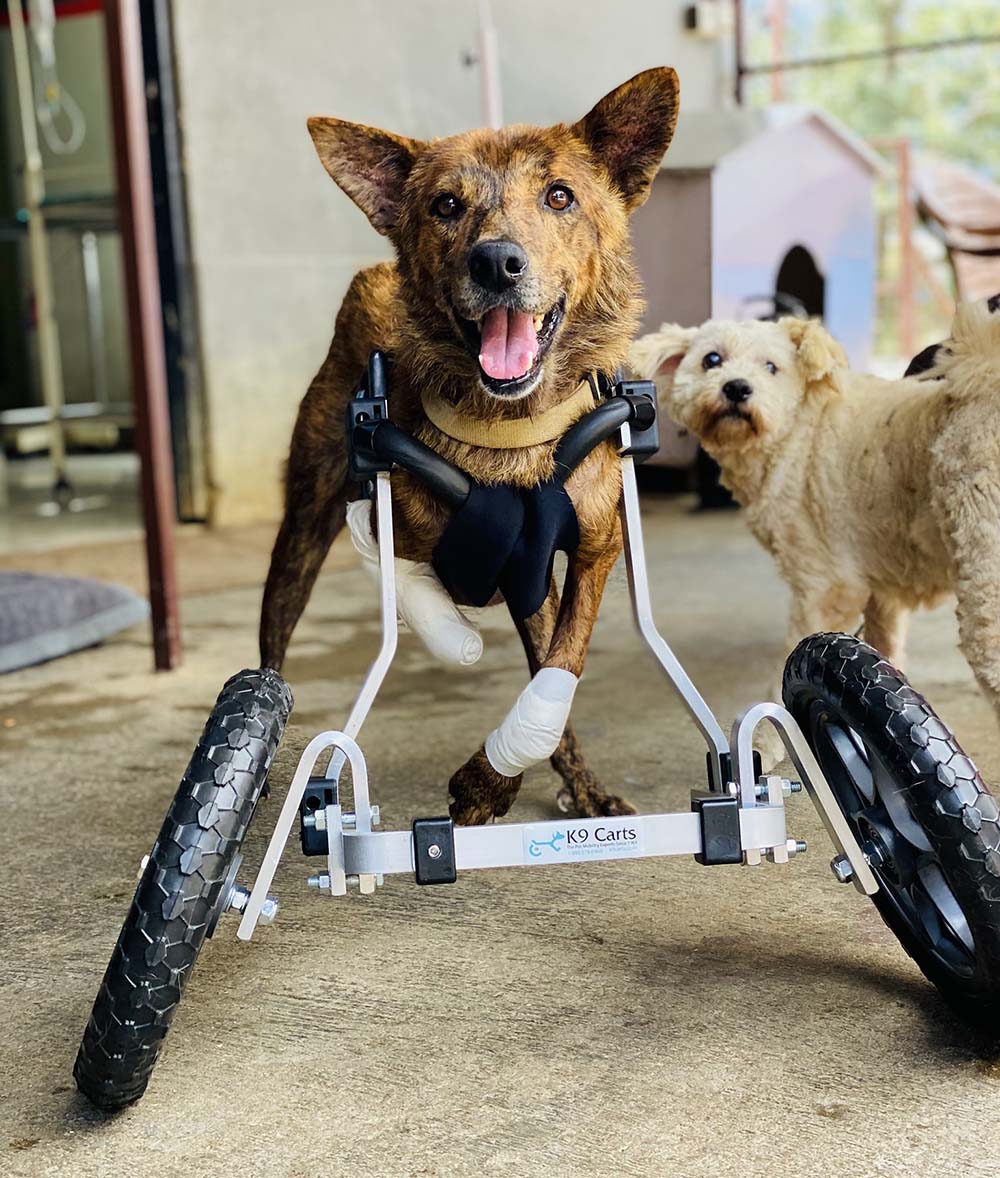
At K9 Carts, our dog wheelchairs are designed by veterinary professionals with decades of experience. Each unit is custom-built based on your dog’s measurements and medical needs, providing the right support without putting pressure on painful areas.
Many Rottweilers with partial or complete rear leg weakness regain their independence with one of our rear support wheelchairs. The right mobility aid can help your dog stay active longer, prevent injuries from falling, and maintain a higher quality of life.

What are the signs of aging in Rottweilers?
Understanding what aging looks like in this breed can help you provide better care and catch problems early.
Common signs of aging include:
-
Slower walking or difficulty standing
-
Joint stiffness, especially after resting
-
Less interest in play or longer recovery after exercise
-
Cloudy eyes or changes in vision
-
Hearing loss
-
Changes in appetite or digestion
-
Graying around the muzzle
Cognitive changes can also appear, such as confusion, restlessness at night, or changes in behavior. These may be signs of canine cognitive dysfunction (similar to dementia in humans), which can sometimes be managed with medication and environmental adjustments.
Are there ways to improve a senior Rottweiler’s quality of life?
Yes. Small daily changes can make a big impact on your older Rottweiler’s comfort and happiness.
-
Orthopedic beds reduce pressure on joints and help with restful sleep
-
Non-slip mats or rugs can prevent falls on slippery floors
-
Ramps make it easier for them to access favorite spots like the couch or car
-
Elevated food and water bowls can ease strain on the neck and back
-
Gentle stretching and massage can improve circulation and flexibility
-
Short, more frequent walks help keep them moving without tiring them out
If mobility becomes an issue, it’s important not to assume their life is over. Many Rottweilers with mobility loss continue to live happy, active lives with the support of a wheelchair.
Frequently Asked Questions
How can I help my Rottweiler live longer?
The most effective way to help your Rottweiler live longer is by focusing on preventive care and lifestyle management. This includes feeding a high-quality, balanced diet made for large breeds, keeping your dog at a healthy weight, and ensuring regular exercise that protects the joints.
Schedule routine vet visits for early detection of health issues, especially heart disease and cancer. Supporting their mobility with joint supplements or even a custom dog wheelchair when needed can also improve quality of life and longevity.

What is the most common cause of death in Rottweilers?
The most common cause of death in Rottweilers is cancer, particularly osteosarcoma, which is an aggressive bone cancer. Other common cancers include lymphoma and hemangiosarcoma.
These cancers tend to appear in middle to older age and progress quickly if untreated. Regular vet exams and imaging can help detect issues earlier. Maintaining a healthy weight and reducing environmental stressors may also support better long-term health outcomes.
At what age is a Rottweiler considered a senior dog?
A Rottweiler is typically considered a senior at 6 to 7 years of age. Because they are a large breed, they tend to age faster than smaller dogs. Signs of aging can include decreased energy, joint stiffness, and weight changes.
It's important to adjust their care as they age, including modifying their exercise routine, switching to a senior-formula diet, and monitoring for age-related conditions like arthritis or mobility loss.
Do male or female Rottweilers live longer?
Female Rottweilers generally live longer than males by an average of 1 to 2 years. This difference may be influenced by hormonal factors, genetics, and body size.
Female Rottweilers tend to be slightly smaller and may have fewer issues with joint stress and related conditions. However, individual health, lifestyle, and early spaying or neutering practices also play a major role in lifespan, regardless of sex.
How do I know if my senior Rottweiler is in pain?
Signs that your senior Rottweiler may be in pain include limping, reluctance to move, whining, panting at rest, changes in posture, and decreased interest in daily activities. You may also notice behavioral changes like increased irritability or hiding.
Joint pain from arthritis is common in older Rottweilers. If your dog has trouble standing or walking, a veterinary consultation is essential. In some cases, mobility aids such as custom wheelchairs can reduce strain and improve comfort.
What are signs of hip dysplasia in Rottweilers?
Hip dysplasia in Rottweilers can present as difficulty rising, stiffness in the rear legs, limping after exercise, reluctance to run or climb stairs, and a swaying gait. Puppies may show early signs, but symptoms often become more noticeable as the dog ages.
A vet diagnosis usually involves X-rays or other imaging. Treatment can include physical therapy, joint supplements, weight management, or surgical options. For dogs with advanced mobility issues, custom wheelchairs can help maintain activity.
Is a dog wheelchair good for Rottweilers with arthritis?
Yes, a dog wheelchair can be very helpful for Rottweilers with arthritis, especially when the condition limits movement in the rear legs. A wheelchair supports the hindquarters, taking pressure off painful joints while still allowing the dog to walk, explore, and exercise safely.
This not only improves physical health but also prevents depression and boredom caused by immobility. At K9 Carts, wheelchairs are custom-built based on your dog’s size and condition, ensuring the best possible fit and support.
What should I feed my Rottweiler to support joint health?
To support joint health, feed your Rottweiler a balanced diet made for large breeds that includes glucosamine, chondroitin, omega-3 fatty acids, and antioxidants. These ingredients help reduce inflammation and protect cartilage.
Avoid overfeeding, as excess weight puts strain on the joints. Some high-quality kibble brands include joint support formulas, or you can add supplements with your vet’s approval. Fresh food diets can also be beneficial if balanced correctly and reviewed by a veterinary nutritionist.
How much exercise does a senior Rottweiler need?
A senior Rottweiler still needs daily exercise, but the intensity and duration should be adjusted to match their age and health condition. Short, low-impact walks two or three times per day are ideal.
Swimming is another excellent option, as it strengthens muscles without stressing the joints. Avoid running, jumping, or long hikes. Always watch for signs of fatigue or discomfort. If your dog has difficulty moving, talk to your vet about physical therapy or mobility aids like a custom-fitted wheelchair.

References
-
https://onlinelibrary.wiley.com/doi/abs/10.1111/j.1474-9726.2009.00513.x
-
https://journals.plos.org/plosone/article?id=10.1371%2Fjournal.pone.0235847
-
https://www.rvc.ac.uk/Media/Default/VetCompass/200316%20Rottweiler%20infographic.pdf
-
https://healthtopics.vetmed.ucdavis.edu/health-topics/canine/appendicular-osteosarcoma-dogs